
Understanding a Stool Inflammation Test
Fecal Calprotectin: What Your Results May Mean
Learn how this stool test can help identify intestinal inflammation, what it cannot tell you about your gut microbiome, and when further evaluation may be needed.
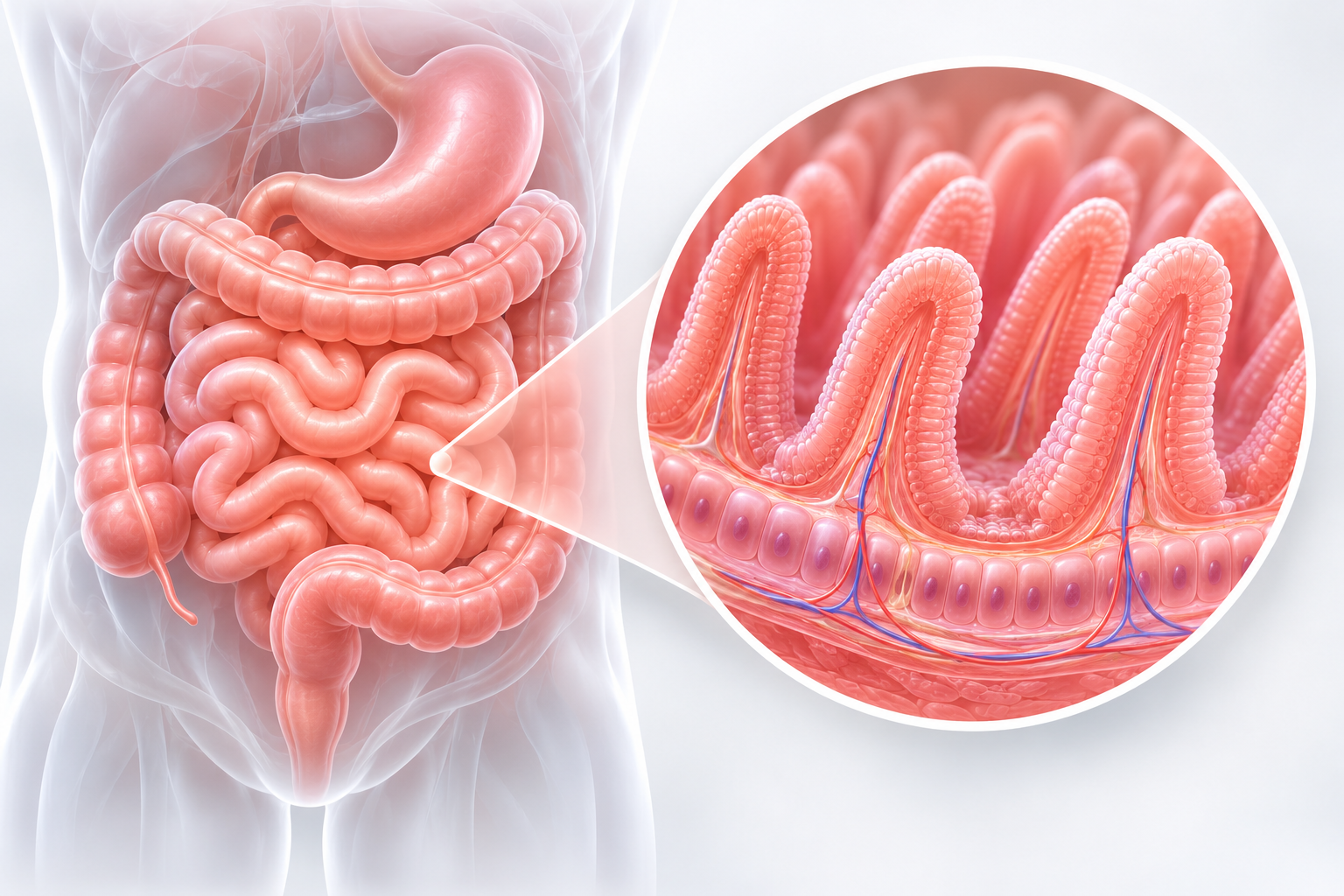
What Calprotectin Measures
Fecal calprotectin measures a protein associated with inflammation in the intestines. It may help your provider assess ongoing digestive symptoms, but an elevated result is not a diagnosis on its own.
What It Cannot Reveal
Calprotectin does not identify the microorganisms in your gut or determine whether your microbiome is out of balance. Although researchers are studying links between gut microbes and inflammation, this test measures inflammation rather than microbial composition.
When Other Testing May Help
At Whitehouse Family Medical, your provider considers your symptoms, medical history, and medications when deciding what to investigate next. Depending on your situation, additional testing may check for infection, celiac disease, nutrient deficiencies, or other causes of digestive discomfort.
Lifestyle Habits That Support Digestive Health
Move in Ways That Work for You
Walking, resistance training, and other appropriate activity may support gut function and overall wellness. Exercise can complement care, but it cannot replace treatment for inflammatory bowel disease or another intestinal condition.
Nourish Your Body and Prioritize Sleep
Varied, nutrient-rich foods and consistent sleep can support digestive and immune health. If you have active intestinal disease, your nutritional needs may differ and deserve individualized guidance.
Consider Stress Alongside Symptoms
Stress can affect digestion through the gut-brain connection. Addressing it may help you feel better, but persistent or concerning symptoms still warrant a medical evaluation rather than lifestyle changes alone.

Could Reflux Medication Affect Your Result?
Proton pump inhibitors (PPIs), such as Prilosec, Protonix, and Nexium, are used to reduce stomach acid. Some research and laboratory guidance suggest they may be associated with mildly elevated fecal calprotectin results. If you take a PPI, tell your provider so they can interpret your result in the context of your symptoms and medical history.
Keep Taking Medication as Prescribed
A mildly elevated result does not necessarily mean your reflux medication is the cause, and calprotectin testing is not routinely needed for acid reflux. Never stop a prescribed PPI on your own. Talk with your healthcare provider before making any changes to your treatment.

Step 1
Review Your Health History
Your provider may discuss your symptoms, recent illnesses, and medications to better understand what could be contributing to an elevated result.
Step 2
Consider Additional Tests
Depending on your symptoms, follow-up may include stool testing for infections, blood work, or celiac screening to investigate possible causes.
Step 3
Decide Whether to Retest
In selected cases, your provider may recommend repeating the calprotectin test to see whether the elevation persists or changes over time.
Step 4
Plan Further Evaluation
When indicated, the next step may be a gastroenterology referral, colonoscopy, or imaging. Concerning symptoms may warrant evaluation regardless of the calprotectin level.
Digestive Care Built Around Your Story
At Whitehouse Family Medical in Whitehouse, Texas, we believe digestive concerns deserve more than a one-size-fits-all answer. Our approach begins with listening to how symptoms affect your daily life and reviewing your health history, medications, nutrition, and lifestyle. Serving patients in the Tyler and East Texas area, we aim to make each evaluation thoughtful, practical, and responsive to the person behind the symptoms.
Our mission is to help identify possible contributors to digestive discomfort, recognize conditions that need medical attention, and develop an individualized plan. When clinically appropriate, testing such as fecal calprotectin can provide useful information about intestinal inflammation, but it is only one part of the picture. We discuss results in context and may recommend additional testing or specialist evaluation when the findings call for it.
Frequently Asked Questions About Fecal Calprotectin
Find answers to common questions about this stool test and what its results may mean for your digestive health.
What does a fecal calprotectin test measure?
It measures calprotectin, a protein in stool that can increase when the intestines are inflamed. It does not identify the cause of inflammation.
Can this test diagnose Crohn’s disease?
No. An elevated result can prompt further evaluation, but diagnosing Crohn’s disease usually requires additional tests and a review of your symptoms.
What can cause an elevated result?
Inflammatory bowel disease, intestinal infections, and other conditions may raise calprotectin levels. Some medications, including certain reflux medications, may also affect results. Your provider will interpret the result in context.
Does a high result mean I have cancer?
No. A high result does not diagnose cancer. However, symptoms such as persistent rectal bleeding, unexplained weight loss, or anemia may warrant further evaluation.
Does a normal result rule out digestive problems?
No. A normal result means this particular marker is not significantly elevated; it does not rule out every cause of digestive symptoms.
When should I ask about fecal calprotectin testing?
If you have ongoing diarrhea, abdominal discomfort, or other persistent digestive symptoms, ask your healthcare provider whether the test would be useful in your evaluation.