
Discover Effective Solutions for Skin Health
Tinea Versicolor: Causes, Treatment & Ozone Sauna Support in Whitehouse, TX
Explore comprehensive treatment options for Tinea Versicolor, a common skin condition, and learn how ozone sauna therapy can enhance skin health.
Understanding Tinea Versicolor
What Is Tinea Versicolor?
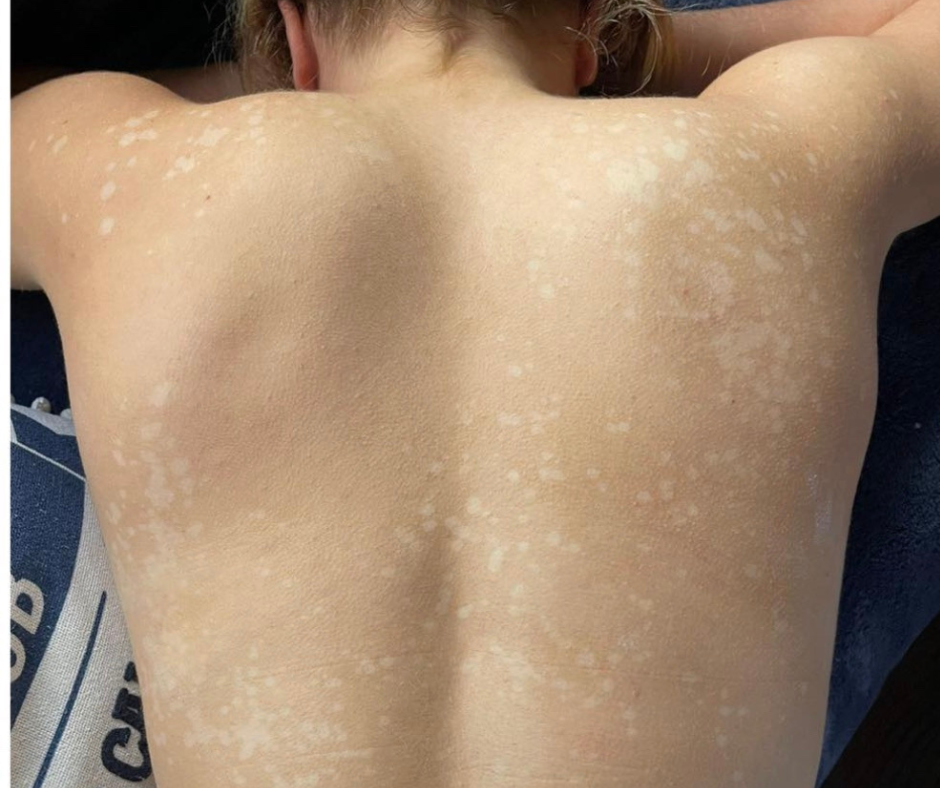
Tinea Versicolor is a fungal skin condition caused by an overgrowth of yeast on the skin’s surface. It leads to discolored patches, often appearing lighter or darker than the surrounding skin. These patches can be itchy and are most commonly found on the back, chest, and upper arms. While not contagious, Tinea Versicolor can affect self-esteem and comfort, making effective treatment essential.
Identifying Causes and Risk Factors
Causes and Risk Factors
Tinea Versicolor is primarily caused by the Malassezia yeast, which is naturally present on the skin. Factors such as hot, humid weather, excessive sweating, oily skin, and a weakened immune system can increase the risk of developing this condition. Genetic predisposition and hormonal changes may also contribute to its occurrence. Understanding these factors is crucial for effective prevention and management.
Environmental conditions, such as living in tropical climates, can exacerbate the likelihood of Tinea Versicolor outbreaks. Additionally, individuals with a family history of the condition or those undergoing hormonal changes, like teenagers or pregnant women, may be more susceptible. Awareness of these risk factors can aid in early detection and treatment.
Symptoms and Affected Areas
Identifying Tinea Versicolor
Tinea Versicolor is characterized by discolored patches on the skin, often appearing on the back, chest, neck, and upper arms. These patches can be lighter or darker than the surrounding skin and may be pink, tan, or white. The condition is usually accompanied by mild itching and scaling, especially in humid environments. It is most noticeable in the summer months when the skin tans, as the affected areas do not tan.
Commonly, Tinea Versicolor affects adolescents and young adults, but it can occur at any age. The condition is not painful but can cause cosmetic concerns due to its appearance. It is important to recognize these symptoms early to begin appropriate treatment and prevent further spreading.
Home Treatment Options
Managing Tinea Versicolor at Home
For those seeking to manage Tinea Versicolor at home, several effective methods are available. Regularly washing the affected areas with a gentle, anti-fungal shampoo containing selenium sulfide or ketoconazole can help reduce the fungal growth. Natural remedies such as applying tea tree oil or apple cider vinegar may also provide relief due to their antifungal properties. Over-the-counter antifungal creams and lotions, such as those containing clotrimazole or miconazole, can be applied directly to the skin to alleviate symptoms.
Prescription Treatments
Advanced Medical Options for Tinea Versicolor
When over-the-counter solutions are insufficient, prescription treatments for Tinea Versicolor may be necessary. Dermatologists often prescribe topical antifungal medications such as ciclopirox or oral antifungal drugs like fluconazole or itraconazole for more severe cases. These medications work by inhibiting the growth of the yeast responsible for the condition, leading to a reduction in symptoms. It is crucial to follow the prescribed course of treatment to ensure effectiveness and prevent recurrence. Regular follow-ups with a healthcare provider can help monitor progress and adjust treatment as needed.
Effective Strategies for Prevention
Preventing Tinea Versicolor Recurrence
To minimize the risk of Tinea Versicolor returning, it’s crucial to adopt a consistent skincare routine and make certain lifestyle adjustments. Start by using a gentle, non-comedogenic cleanser to keep your skin clean and free from excess oils. Incorporate antifungal body washes or soaps into your routine, especially during warmer months when the condition is more likely to flare up. Wearing loose, breathable clothing can also help reduce moisture build-up on the skin, which is a known trigger for this condition. Additionally, consider incorporating probiotics into your diet to support a healthy balance of skin flora. Regularly exfoliating the skin can also prevent the buildup of dead skin cells that can contribute to fungal growth. By following these steps, you can significantly reduce the chances of Tinea Versicolor reoccurring.
Enhancing Skin Health with Ozone Therapy
Benefits of Ozone Sauna Therapy for Tinea Versicolor

Schedule Your Treatment Today
Take the first step towards clearer, healthier skin by booking your Tinea Versicolor treatment or HOCATT Ozone Sauna session in Whitehouse, TX. Our expert team is ready to provide personalized care tailored to your needs. Whether you’re looking to address current symptoms or prevent future occurrences, our treatments offer effective solutions. Don’t wait any longer to experience the benefits of our specialized services. Contact us today to schedule your appointment and embark on your journey to improved skin health.
Tinea Versicolor FAQs
Explore answers to common questions about Tinea Versicolor, its causes, and treatment options available in Whitehouse, TX.
Is tinea versicolor contagious?
No, tinea versicolor is not contagious. It is caused by an overgrowth of yeast that naturally lives on the skin.
Why does tinea versicolor come back?
Tinea versicolor can recur due to factors like humidity, excessive sweating, or a weakened immune system.
How long until the white spots fade?
The white spots may take several weeks to months to fade after treatment, as skin pigmentation gradually returns to normal.
What are the common symptoms of tinea versicolor?
Common symptoms include discolored patches on the skin, mild itching, and scaling, often occurring on the back, chest, and neck.
Can ozone sauna therapy help with tinea versicolor?
Ozone sauna therapy may support skin health by promoting detoxification and improving circulation, potentially aiding in the management of tinea versicolor.
What are the best home treatments for tinea versicolor?
Over-the-counter antifungal creams and shampoos are effective home treatments. Keeping the skin dry and clean also helps prevent recurrence.