Comprehensive Neuropathy Solutions
Advanced Screening for Neuropathy
Discover the root cause of your neuropathy with our thorough and specialized testing services, designed to provide clarity and direction for your health journey.
Our Testing Services
Comprehensive Neuropathy Testing
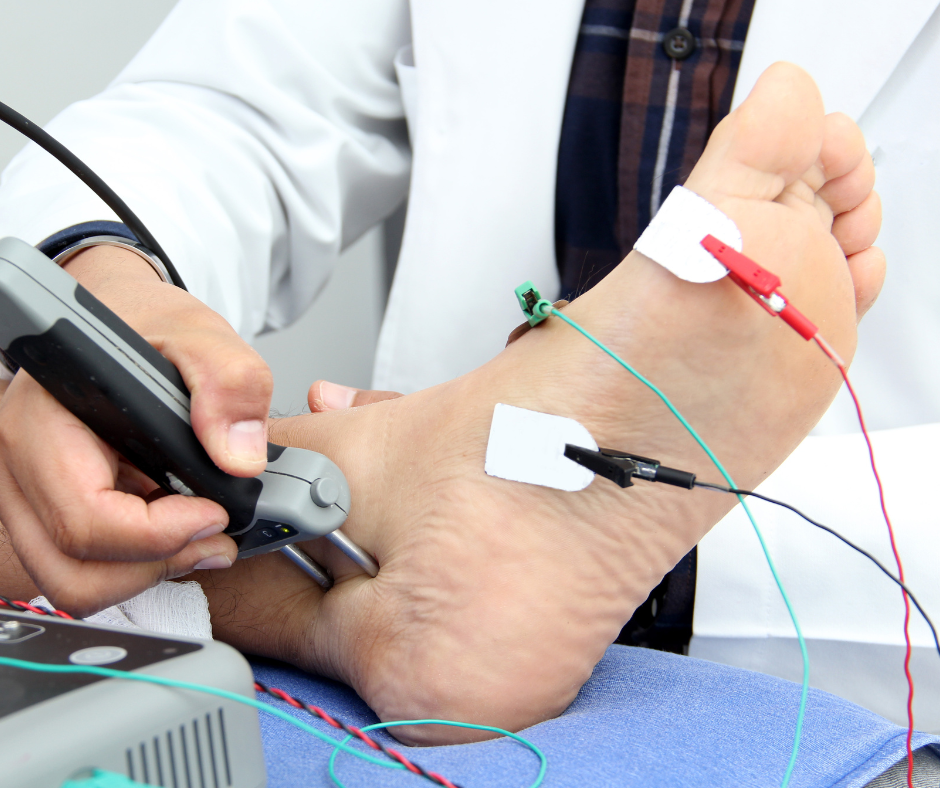
Sensory and Vibration Testing
Assess your nerve response to various stimuli to identify potential neuropathy symptoms early.
Nerve Conduction and EMG Testing
Evaluate nerve and muscle function to diagnose and monitor neuropathy effectively.
Circulation Testing (ABI)
Examine blood flow to detect circulatory issues that may contribute to nerve damage.
Autonomic Testing
Investigate autonomic nervous system function to address symptoms like dizziness and sweating.
Genetic Screening
Genetic screening helps identify inherited nerve conditions early, guiding personalized treatment and protecting long-term nerve health.
Why Targeted Lab Work Matters
Who Should Consider a Neuropathy Screening?
Symptoms to Watch For
If you experience numbness, tingling, or burning sensations in your extremities, it may be time to consider a neuropathy screening. These symptoms can indicate underlying nerve issues that require attention.
Persistent Discomfort
Do you feel pins and needles that persist despite rest? This discomfort can be a sign of nerve damage that should not be ignored.
Sudden Sharp Pains
Experiencing sharp, electric-like pains in your legs can be alarming. A screening can help identify the cause and provide relief.
Balance and Sensation Issues
If you’re having trouble feeling the floor or your footwear, or if balance becomes a challenge, these could be signs of neuropathy.
Risk Factors
Individuals with diabetes, prediabetes, or a history of chemotherapy are at higher risk for neuropathy. Consider a screening if you fall into these categories.
Autoimmune and Heart Conditions
Autoimmune diseases and heart issues, especially those involving thickened heart muscle, can increase neuropathy risk. Early detection is key.
Blood Pressure and Dizziness
Unexplained drops in blood pressure or dizziness when standing may indicate autonomic nerve involvement. A screening can help pinpoint the cause.
Toxin Exposure
Exposure to toxins can damage nerves over time. If you have a history of such exposure, a neuropathy screening is advisable.
Insurance & Costs
At Whitehouse Family Medical, we understand the importance of accessible healthcare. Most of our neuropathy screening services are covered by insurance when deemed medically necessary. This includes comprehensive office visits, nerve conduction studies, and essential lab work.
Insurance coverage can vary depending on your plan, and some copays or deductibles may apply. Our team is committed to helping you navigate your benefits, ensuring you understand potential costs before proceeding with any tests. For those without insurance, we offer flexible self-pay options to accommodate your needs.
Ready to Get Answers?
At Whitehouse Family Medical in Whitehouse, Texas, we specialize in comprehensive neuropathy screening designed to uncover the root causes of nerve pain, numbness, tingling, and balance problems.
If you are experiencing symptoms of peripheral neuropathy, our medical team provides a thorough diagnostic evaluation—including nerve testing, circulation screening, sensory exams, and targeted laboratory work—to identify underlying causes and guide treatment.
We encourage patients to bring all laboratory testing completed within the past 12 months for careful review. Evaluating past lab trends helps us recognize metabolic, nutritional, autoimmune, or genetic contributors to neuropathy, and we may recommend additional bloodwork when necessary to ensure a complete and accurate diagnosis.
Our goal is to provide clarity, education, and personalized guidance so you can take confident steps toward managing your nerve symptoms and protecting long-term nerve health.
Our Neuropathy Screening Includes:
-
Neurologic exam and symptom assessment
-
Sensory and vibration testing
-
Nerve conduction studies and EMG (when indicated)
-
Circulation testing (ABI)
-
Autonomic nerve function screening
-
Comprehensive laboratory evaluation
-
Genetic and amyloid neuropathy screening when clinically appropriate
FAQ 1 – What is a neuropathy screening?
A neuropathy screening is a focused medical evaluation that looks for nerve damage and its underlying causes. At Whitehouse Family Medical, this may include a detailed history, neurologic exam, sensory and vibration testing, nerve conduction studies and EMG (when indicated), circulation testing, autonomic testing, and targeted lab work.
FAQ 2 – Who should consider a neuropathy screening?
You should consider a neuropathy screening if you have numbness, tingling, burning, “pins and needles,” balance problems, or unexplained pain in your feet or hands. People with diabetes, prediabetes, autoimmune disease, heart problems, or a family history of neuropathy are at higher risk and often benefit from early evaluation.
FAQ 3 – What happens during the first neuropathy visit?
At your first visit, we review your symptoms and medical history, perform a neurologic exam, and go over any recent lab results you bring with you. From there, we decide which tests are appropriate—such as nerve conduction studies, EMG, sensory testing, circulation testing, and additional bloodwork—to begin looking for the root cause of your nerve symptoms.
FAQ 4 – Why do you want lab work from the last 12 months?
Lab results over time can reveal trends that a single test can miss. Reviewing your last 12 months of lab work helps us spot metabolic, nutritional, inflammatory, or hormonal patterns that may be contributing to neuropathy. We often add new labs, but past trends are extremely helpful in narrowing down the underlying cause.
FAQ 5 – Do you screen for genetic or amyloid neuropathy?
Yes. When your story, exam, or test results raise concern for hereditary or amyloid-related neuropathy, we can order specialized blood tests, protein studies, and genetic panels. If an amyloid or hereditary condition is found, we coordinate care with regional specialists while continuing to support you here at Whitehouse Family Medical.
FAQ 6 – Is neuropathy screening covered by insurance?
Many parts of a neuropathy screening are billable to insurance when medically necessary, including office visits, nerve conduction studies, EMG, sensory testing, circulation and autonomic testing, and most laboratory work. Coverage and out-of-pocket costs depend on your individual plan. Our team can help you review your benefits before testing is performed.
FAQ 7 – How long does the neuropathy screening process take?
Your initial visit typically lasts 30–60 minutes. Some tests, like nerve conduction studies and EMG, may be scheduled on a separate day and can take an additional 30–60 minutes. Once all results are back, we schedule a follow-up visit to review findings and build a personalized care plan.
FAQ 8 – What should I bring to my appointment?
Please bring your photo ID, insurance card, a complete list of medications and supplements, and any lab results or imaging from the last 12 months. If you use braces, special shoes, or assistive devices, it can also be helpful to bring or wear them to your visit.